When you’re preparing for IVF, it’s easy to feel like everything is out of your control—your test results, your timeline, your response to meds. But one thing you can control is nourishing your body with the best diet for IVF.
During our own IVF journeys, food became one of the only things we could control. We spent hours reading, researching, listening to podcasts, and comparing notes. What to eat, what to avoid, what might give us just a little extra support—it was a full-time job. And while we didn’t find a magic formula, one message kept popping up over and over: the Mediterranean-style diet is one of the most supportive ways to fuel your body through IVF.
No diet can guarantee a pregnancy—but the foods you eat can make a real difference in how your body feels and responds. Our goal wasn’t to eat “perfectly”—just to find a way of eating that helped balance hormones, reduce inflammation, and make us feel a little more in control of something.
What to Eat: The IVF-Friendly Mediterranean Diet
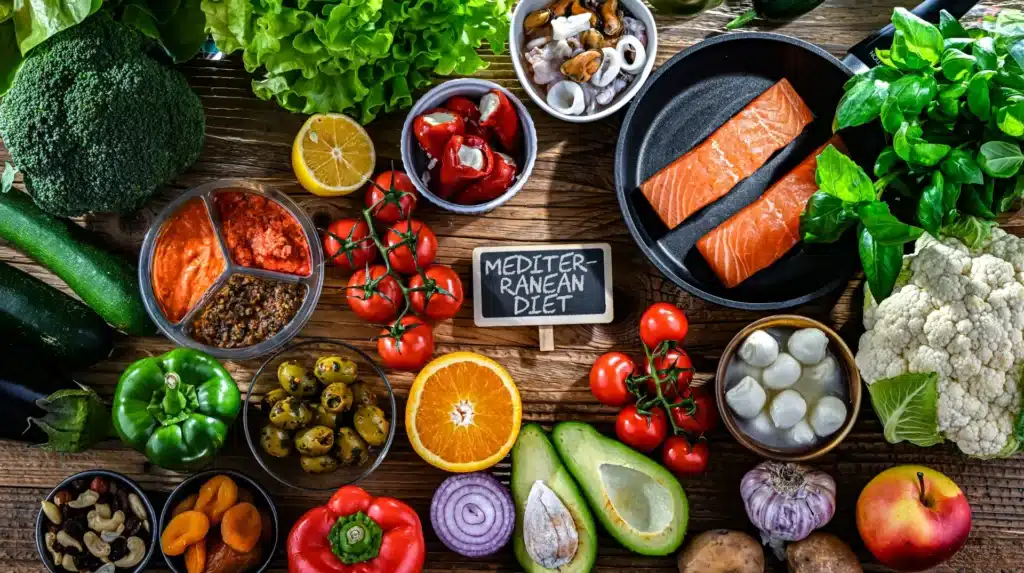
When you’re navigating IVF, knowing what to eat can feel overwhelming—especially with so much conflicting advice out there. But the Mediterranean diet is consistently backed by research and widely recommended by fertility experts. It’s flexible, balanced, and filled with foods that naturally support hormone function and reduce inflammation.
This way of eating is rich in antioxidants, fiber, healthy fats, and quality protein—all important during IVF. We found it especially helpful because it wasn’t restrictive and could be adapted to our own preferences and needs.
Here is what to focus on:
- Colorful Fruits & Veggies – packed with antioxidants like vitamins C, E, and beta-carotene to help protect egg and sperm cells from damage
Try: Berries, spinach, peppers, sweet potatoes, oranges, carrots - Lean Protein – supports hormone production, egg development, and early embryo growth
Try: Salmon, sardines, chicken, turkey, eggs, lentils, beans - Healthy Fats – anti-inflammatory fats help balance hormones and support a healthy uterine lining
Try: Olive oil, avocado, walnuts, flaxseeds, chia seeds - Whole Grains – help regulate blood sugar, support gut health, and assist hormone detox
Try: Quinoa, oats, buckwheat, brown rice - Iron-Rich Foods – help boost energy, support the uterine lining, and reduce the risk of anemia
Try: Spinach, red meat (organic if possible), lentils, pumpkin seeds - Beets & Leafy Greens – Support blood flow to the uterus and may improve endometrial thickness
Try: Beets, cooked spinach, arugula, celery
Vegetarian? No Problem.
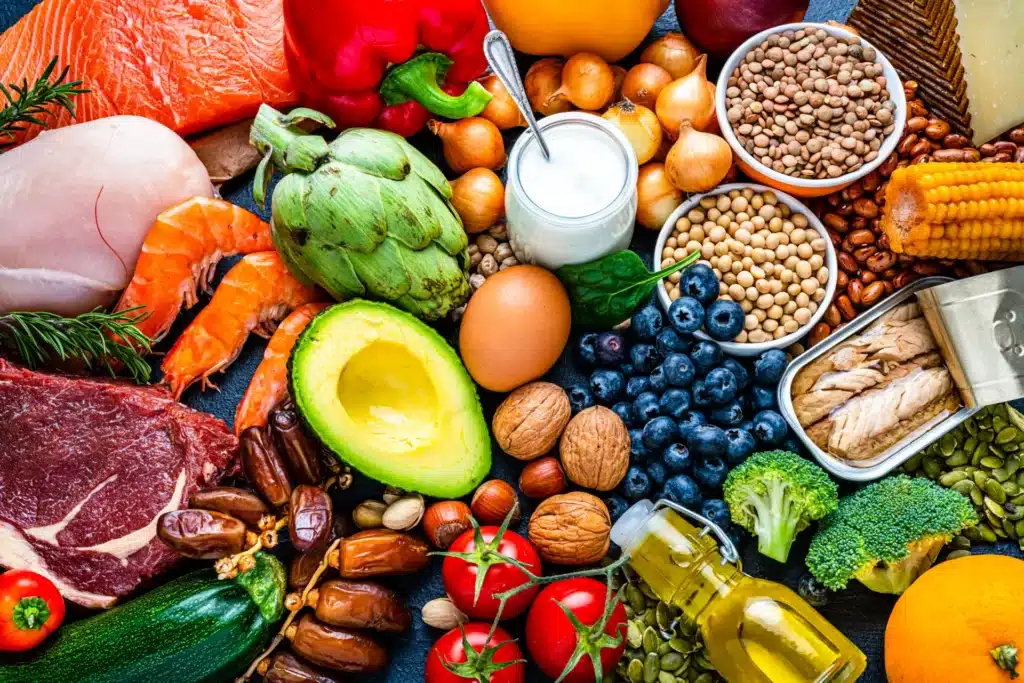
The Mediterranean diet is easily adapted for plant-based lifestyles, and you can still get all the key nutrients your body needs to support IVF with a little planning. Whether you’re vegetarian, mostly plant-based, or just prefer to avoid certain animal products, the focus remains the same: nutrient density, hormone balance, and reducing inflammation.
- Use lentils, beans, tofu, tempeh, and eggs (if included) for protein
- Supplement with algae-based DHA, iron, B12, and iodine if needed
- Focus on whole grains, healthy fats, greens, and colorful veg
How Nutrition Can Support You at Every IVF Stage
Nutrition doesn’t just matter for egg quality—it can impact every stage of the IVF journey. Your body has different needs at each stage of the IVF process, and shifting your nutrition to support those changes can help you feel more in sync with what’s happening physically and hormonally.
Here’s what we learnt:
- Ovarian stimulation – Good nutrition may improve how your ovaries respond to meds and increase the number of mature eggs
- Fertilization & embryo development – Nutrients can support both egg and sperm quality
- Implantation – A healthy uterine lining is supported by good circulation and balanced hormones
- Pregnancy maintenance – Antioxidants and essential vitamins help protect against oxidative stress
- Live birth outcomes – A nutrient-dense diet supports overall maternal health throughout early pregnancy
In fact, we were surprised to learn that research suggests that couples following a fertility-supportive diet and lifestyle may experience up to 40% higher pregnancy rates compared to those who don’t, according to a study published in the journal Human Reproduction.
So, what does that actually look like in practice?
Let’s break it down by stage. Each part of the IVF journey calls for slightly different nutritional support, and small, intentional shifts can make a meaningful difference.
Before Egg Retrieval
This stage is all about egg quality. Your goal is to reduce inflammation and oxidative stress, while fuelling your ovaries with the nutrients they need to produce strong, healthy eggs.
Key nutrients to focus on
- Antioxidants
- Healthy fats
- Omega-3s
- Protein
Supportive foods
- Berries, spinach, citrus fruits
- Avocados, olive oil, flaxseed
- Salmon, sardines, walnuts
- Eggs, chicken, lentils, Greek yogurt (if tolerated)
- Herbal teas like nettle leaf or red raspberry leaf
Before Embryo Transfer
Now it’s all about preparing your uterine lining for implantation. Foods that support blood flow, hormone balance, and endometrial health are especially helpful here.
Key nutrients to prioritise
- Iron
- Vitamin E
- L-arginine
- Anti-inflammatory foods
Supportive foods
- Beets, leafy greens (like spinach and arugula), pumpkin seeds
- Avocado, almonds, sunflower seeds
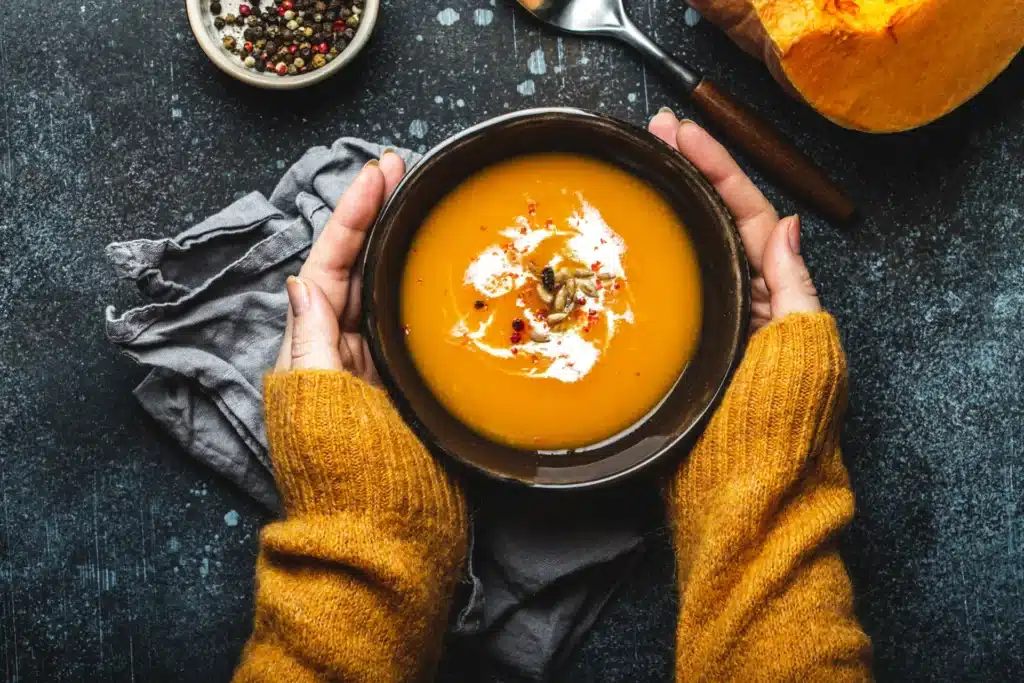
- Warm, nourishing meals like soups, whole grains, and root veggies
- Herbal teas like ginger, chamomile and peppermint
After Embryo Transfer
One tip we found helpful was to eat as if you’re already pregnant. Focus on warming, nutrient-dense foods that feel nourishing and easy on the digestive system.
Key nutrients to focus on
- Folate
- Protein
- Hydration
- Anti-inflammatory meals
Supportive foods
- Lentils, chickpeas, leafy greens, eggs
- Smoothies, warm grains, soups, and broths
- Herbal teas like dandelion root or just plain old hot water and lemon (avoid uterine- toning herbs like red raspberry at this stage.
- Foods that feel grounding, warm, and easy to digest
Start Early: Why the 3-Month Pre-IVF Window Matters
One thing we wish we’d known earlier: egg quality isn’t fixed. Your eggs go through a 90-day maturation process, which means what you eat and do in the months before IVF can have a real impact.
Even if your cycle isn’t for a little while, this is a great time to start making gentle, supportive changes. We started thinking of it like prepping the soil before planting seeds—doing what we could to create the best possible environment for something to grow.
Food Quality Matters
Where possible, aim for organic produce and hormone-free animal products. The quality of the food you eat really does matter—especially when you’re trying to support your fertility. Organic fruits and vegetables may help reduce your exposure to pesticides, while hormone-free meat and dairy can lower the amount of synthetic hormones your body is processing.
We also learned that processed foods, plastic packaging, and conventionally farmed animal products can contain endocrine-disrupting chemicals (EDCs). These are known to potentially interfere with ovulation, implantation, and hormone balance. That was eye-opening for us, especially when we realised how common they are in everyday items.
That said, this isn’t about doing everything perfectly or throwing out your entire kitchen overnight. It’s easy to feel totally overwhelmed by it all. We made small swaps when we could—like switching to glass storage containers and choosing organic when it was available. Every little upgrade adds up.
Key Nutrients to Prioritise During IVF
Certain vitamins and minerals are especially helpful during IVF—not just for egg and sperm health, but also for supporting hormone balance, reducing inflammation, and preparing your body for early pregnancy.
A Mediterranean-style diet naturally includes many of these, but we found it helpful to keep a mental checklist of the ones we wanted to prioritise, especially in the weeks before our cycle.
Here are a few that came up again and again in our research:
- Folate – Crucial for cell division and early pregnancy
- Iron – Supports ovulation and the uterine lining
- B12 – Helps with energy and egg maturation
- Zinc – Supports hormone balance and egg quality
- Selenium – Protects cells from oxidative stress and supports thyroid health
- Omega-3s (DHA/EPA) – Reduce inflammation and support egg/sperm quality
- Choline – Supports brain development and methylation
- Iodine – Needed for healthy ovulation and embryo development
Bonus food: Liver (if you can stomach it) is a fertility powerhouse. It’s suggested that having a small portion of organic liver or pâté once or twice a week is a helpful nutrient boost—though definitely an acquired taste!
Should You Take Supplements During IVF?
Ideally, food comes first—but let’s be honest, getting every single nutrient in from meals alone can be tough, especially when you’re juggling appointments, work, and emotional ups and downs.
That’s where supplements can help fill in the gaps. When chosen carefully, a good fertility supplement routine can support hormone balance, boost energy, and give your body a little extra backup during a demanding time.
Many nutrients like methylfolate, vitamin D, omega-3s, and CoQ10 came up a lot during our research. Some of them—like CoQ10—were recommended to us for egg quality.
We found it helpful to keep our supplements and medications in a medication box to help us remember what we’d taken each day—and what was still left to take. It was one of those little things that reduced stress more than we expected.
Supplements aren’t a replacement for a healthy diet, but they can be a valuable part of your IVF toolkit—especially if you’re managing food sensitivities, dietary gaps, or known deficiencies. Just be sure to speak with your fertility team to choose what’s right for your body.
Hydration Tips for IVF
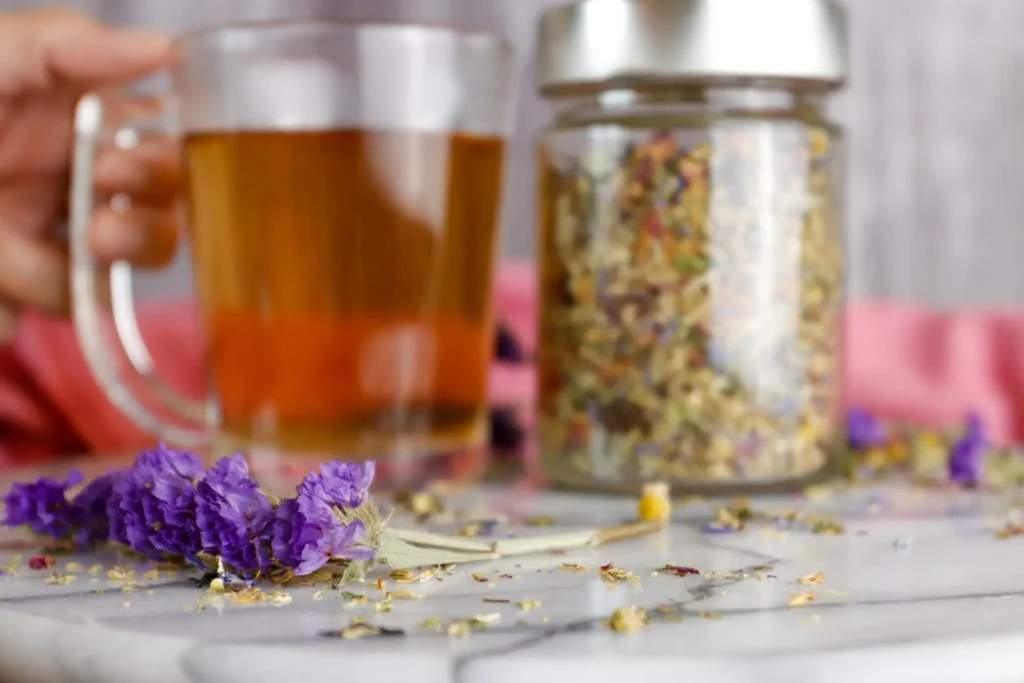
Staying well-hydrated is essential during IVF. Water helps regulate body temperature, transport hormones, support blood flow to reproductive organs, and flush out toxins. It’s also key for maintaining a healthy uterine lining and supporting cervical mucus quality.
We aimed for around 1.5 to 2 litres a day (6–8 glasses), but some days it was more—especially if we were taking medications or supplements that increased thirst.
Hydration tips that helped us:
- Start the day with a glass of warm water and lemon
- Sip steadily throughout the day instead of chugging
- Add natural flavor with cucumber, citrus, or mint
- Herbal teas (see above in the “nutrition for every stage” section for suggestions)
- Broth-based soups are great for hydration but also help with an added protein boost too!
- A large water bottle you actually like = more drinking without thinking.
After embryo transfer, some people prefer to avoid cold drinks and stick to warm or room-temperature fluids. The science is mixed, but do what feels best for your body.
A quick note about transfers
Some clinics ask you to come in with a full bladder for the embryo transfer. This can be surprisingly uncomfortable—and tricky to time right. If you drink too much too fast, you might end up really needing the loo during the procedure. Too little, and your bladder might not be full enough. We found sipping about 500ml of water over 1 hour before transfer worked well, but everyone’s different so find out what works for you or ask your clinic what they recommend, and give yourself enough time to adjust based on how your body responds.
Foods to Limit or Avoid During IVF
While nourishing your body is all about what you can add, there are a few things worth cutting back to reduce inflammation, support hormone balance, and give yourself the best chance of success:
- Trans fats – Found in fried foods, margarine, and packaged snacks. These are linked to ovulatory disorders and poor insulin sensitivity.
- Refined sugar – Excess sugar can cause hormone disruption, insulin resistance, and inflammation. Watch for sneaky sugars in sauces, cereals, and “low-fat” snacks.
- Alcohol – Even low-to-moderate amounts have been linked to reduced implantation rates and increased miscarriage risk. Most clinics recommend avoiding it altogether.
- Caffeine – Keep to under 200mg/day (roughly one standard coffee). Remember to count tea, energy drinks, and even chocolate.
- Highly processed foods – These often contain additives, preservatives, and poor-quality oils that can impact gut and hormone health.
- Low-fat dairy – Surprisingly, full-fat dairy may actually support fertility more than low-fat options, which may be processed and less hormonally supportive. Plus in our personal opinion the full fat versions are much tastier!
- Conventional animal products – Choose organic or hormone-free where you can to avoid synthetic hormones and antibiotics that may disrupt your cycle.
If you have conditions like PCOS, endometriosis, or thyroid issues, you might also benefit from limiting certain food groups like gluten, dairy, legumes, soy, or nightshades. Through our research we found that these foods may contribute to inflammation, disrupt hormone balance, or trigger immune responses in some individuals—especially those with underlying sensitivities or autoimmune tendencies. For example, gluten may exacerbate symptoms in those with thyroid conditions, while dairy and soy can affect estrogen levels or aggravate endometriosis for some.
This is not medical advice and we are not experts. Everyone’s body is different—what causes flare-ups for one person might be perfectly fine for another so please do your own investigation into what feels right for you. The goal isn’t restriction for the sake of it, but tuning into how your body feels and responds. If you’re unsure, working with a fertility-savvy dietitian can help you identify what truly supports your individual needs.
Meal Prep, Snacks, and Eating Out During IVF
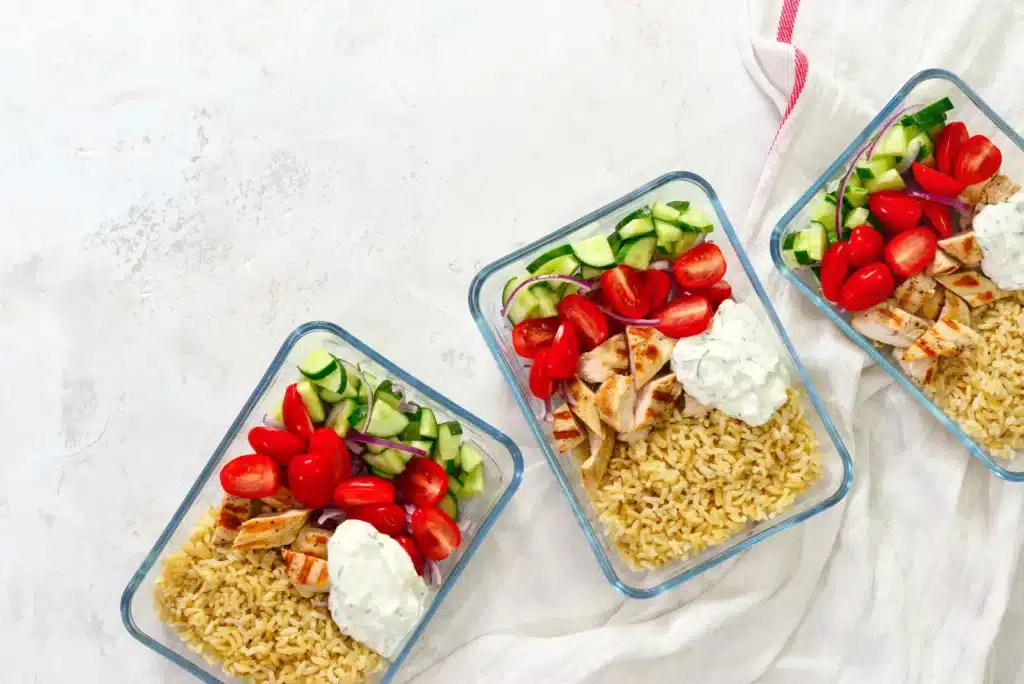
Let’s be honest—IVF is exhausting. Between the emotional ups and downs and all the appointments, cooking every meal from scratch just isn’t always realistic. We found it helpful to keep a few easy options on hand so that even on hard days, we could still eat in a way that felt supportive.
Easy Meal Prep Ideas
- Make double or triple batches of stews, curries, soups, or grain bowls—you’ll thank yourself on those extra-tired days
- Use frozen veg to save time and reduce waste while still getting important nutrients
- Stock up on pantry staples like quinoa, canned fish, olive oil, beans, and herbs for quick and balanced meals
Snack Ideas
- Boiled eggs, hummus + veggie sticks, avocado on oatcakes
- Trail mix with seeds, protein balls, fruit with nut butter, or a handful of olives and crackers
- Focus on snacks with a good mix of protein, fat, and fiber to keep blood sugar steady and energy levels up
Eating Out or On the Go
- Choose grilled proteins, whole grains, and fresh veggie sides when possible
- Ask for simple swaps like a salad or extra veg instead of fries—most places are happy to accommodate
- Pack snacks when heading out—nuts, fruit, oat bars, or veggie sticks can help you avoid grabbing something less supportive in a pinch
- Remember, food doesn’t need to be perfect to be helpful—it just needs to be accessible, nourishing, and kind to your body in this moment.
Gentle Ways to Start
Not sure where to begin? That’s completely normal. We learnt the hard way that we didn’t need to overhaul everything all at once. Instead, try to make just a few small changes at a time that feel doable. Once we focused on this, those changes built momentum and helped us feel a bit more in control again..
Here are some gentle places to start:
- Add one extra veggie to a meal each day
- Ask “What can I add?” instead of focusing on what to cut out
- Eat the rainbow—variety brings nutrient diversity
- Plan ahead with a simple meal plan or grocery list
- Keep staples like oats, eggs, legumes, and olive oil on hand
- Get support—whether from a partner, a friend, or a fertility-focused dietitian
Remember, this is about progress, not perfection. Even small steps can create a big shift in how you feel—physically and emotionally.
Need Some Recipe Inspiration?
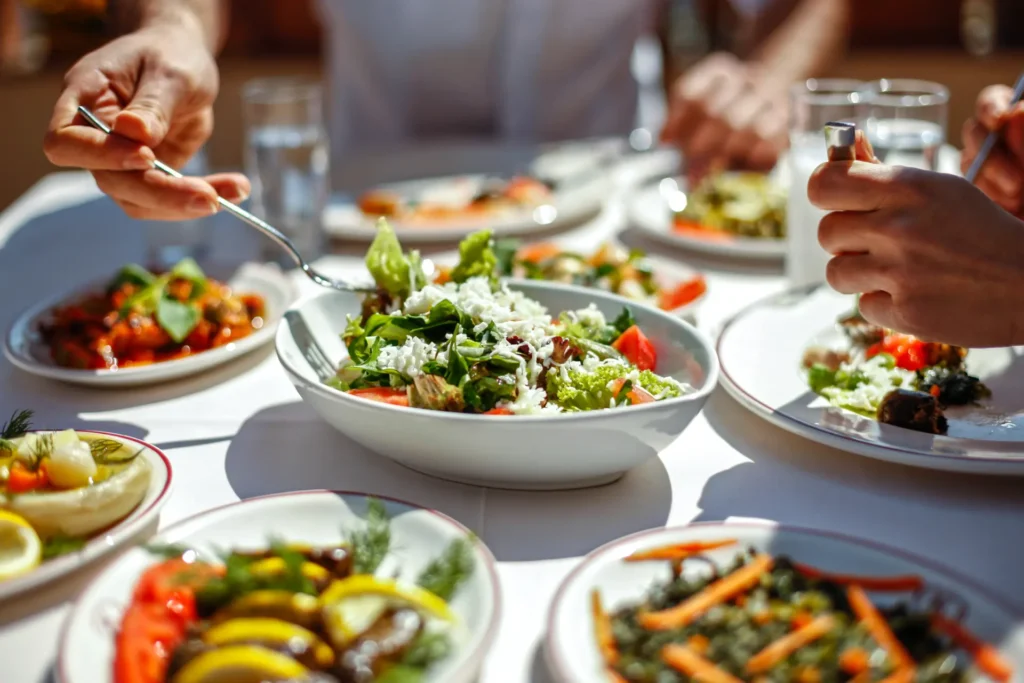
We’ve started building a small but growing collection of IVF-friendly, Mediterranean-inspired recipes — created with real IVF life in mind.
Right now, you’ll find a handful of simple breakfast, lunch, dinner and snack ideas that helped us feel nourished and supported during our own journeys. We’re continuing to add more recipes over time, focusing on meals that are easy, comforting, and realistic during treatment.
On our Recipes page, you’ll find:
- Fertility-friendly Mediterranean-inspired meals
- Simple batch-cooking and time-saving ideas
- Gentle, nourishing options for different stages of IVF
- Recipes we’ve personally used and loved
Explore our IVF-friendly recipes here
Final Thoughts
Food might not fix everything, but it is a powerful way to care for yourself during a time that feels uncertain and overwhelming. We learnt that nourishing your body with the right foods can help support your hormones, reduce inflammation, and give you a greater sense of stability on a journey that often feels out of your hands.
Be kind to yourself. You don’t need to eat “perfectly”. Just remember that even small changes could make a big difference.
Research Resources
The research and information shared in this blog is supported by trusted health authorities—including the NHS, Endometriosis UK, and the European Society of Human Reproduction and Embryology (ESHRE)—as well as the following peer-reviewed studies and scientific research. If you’d like to learn more or explore the details, feel free to check out the sources below.
1. Vujkovic, M., et al. (2010). The preconception Mediterranean dietary pattern in couples undergoing IVF increases pregnancy chances. Fertility and Sterility. Retrieved from https://pubmed.ncbi.nlm.nih.gov/20056217/
2. Karayiannis, D., et al. (2018). Adherence to the Mediterranean diet and IVF success among non-obese women. Human Reproduction. Retrieved from https://pubmed.ncbi.nlm.nih.gov/30085198/
3. Gaskins, A. J., & Chavarro, J. E. (2018). Diet and fertility: a review. American Journal of Obstetrics and Gynecology. Retrieved from https://pubmed.ncbi.nlm.nih.gov/29104072/
4. NHS. (2022). Trying for a baby – Foods and fertility. NHS UK. Retrieved from https://www.nhs.uk/pregnancy/trying-for-a-baby/diet-and-fertility/
5. Human Fertilisation and Embryology Authority (HFEA). (2023). Preparing for IVF treatment. HFEA UK. Retrieved from https://www.hfea.gov.uk/treatments/explore-all-treatments/ivf/
6. European Society of Human Reproduction and Embryology (ESHRE). (2022). Lifestyle and fertility guidance. Retrieved from https://www.eshre.eu
7. The Dietologist – Stefanie Valakas, APD. (2023). The Mediterranean Diet and Fertility – What You Need to Know. Retrieved from https://thedietologist.com.au/mediterranean-diet-and-fertility/
8. Lauren Manaker, RD, LDN. (2022). How the Mediterranean Diet Supports Fertility. Retrieved from https://laurenmanaker.com/mediterranean-diet-for-fertility/
9. Rhiannon Lambert, Registered Nutritionist (UK). (2023). Fertility & Food: What Should You Eat When Trying to Conceive? Retrieved from https://rhitrition.com/blog/fertility-and-food/
10. Fertility Network UK. (2022). Eating Well During Fertility Treatment. Retrieved from https://fertilitynetworkuk.org/trying-to-conceive/lifestyle/eating-well/
11. Tommy’s Charity (UK). (2023). Fertility nutrition tips when trying to get pregnant. Retrieved from https://www.tommys.org/pregnancy-information/planning-pregnancy/are-you-ready-to-conceive/diet-and-nutrition
12. Braverman, R. (2020). It Starts With the Egg: How the Science of Egg Quality Can Help You Get Pregnant Naturally or With IVF. Blue Winston Publishing.
13. Harvard T.H. Chan School of Public Health. (n.d.). The Fertility Diet. Retrieved from https://www.hsph.harvard.edu/nutritionsource/fertility/