
Fertility in the News
Home / Fertility in the News
From scientific milestones to unexpected headlines (hello, sperm racing), fertility is finally getting the attention it deserves.
This page is where we share interesting, hopeful, or groundbreaking news from the fertility world — with a few thoughts from us along the way.
Some stories are serious. Others make us laugh. But every one of them reminds us that we’re not alone in this journey, and that science and support around fertility is evolving every day.
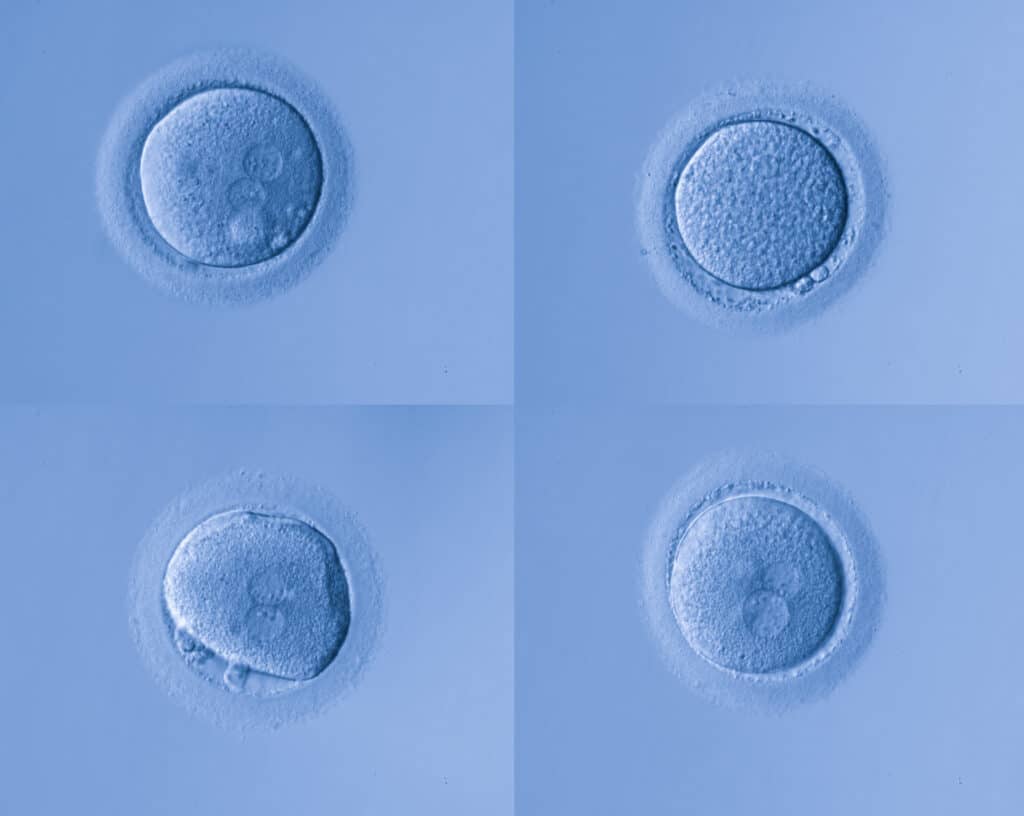
Human Eggs ‘Rejuvenated’ — A Potential Boost for IVF Success
Human Eggs ‘Rejuvenated’ — A Potential Boost for IVF Success
“Scientists claim to have ‘rejuvenated’ human eggs for the first time in an advance that could revolutionise IVF for older women.”
This Guardian article reports on new research showing that adding back a naturally declining protein, Shugoshin, can stabilise chromosomes in ageing eggs. In donated eggs, the treatment almost halved the number of chromosome errors, which are a major reason IVF success drops sharply with age.
The findings are early and still in preprint form, but if confirmed in trials, this could support better egg quality and raise success rates for women in their late 30s and 40s — without needing multiple cycles.
Why it caught our attention:
Egg quality is one of the biggest challenges in IVF, and as we explore on this platform, options to improve it are limited. A treatment that helps older eggs behave more like younger ones could be a game-changer which offers hope, fewer failed cycles, and more chances at success as we age.
Human Eggs ‘Rejuvenated’ — A Potential Boost for IVF Success
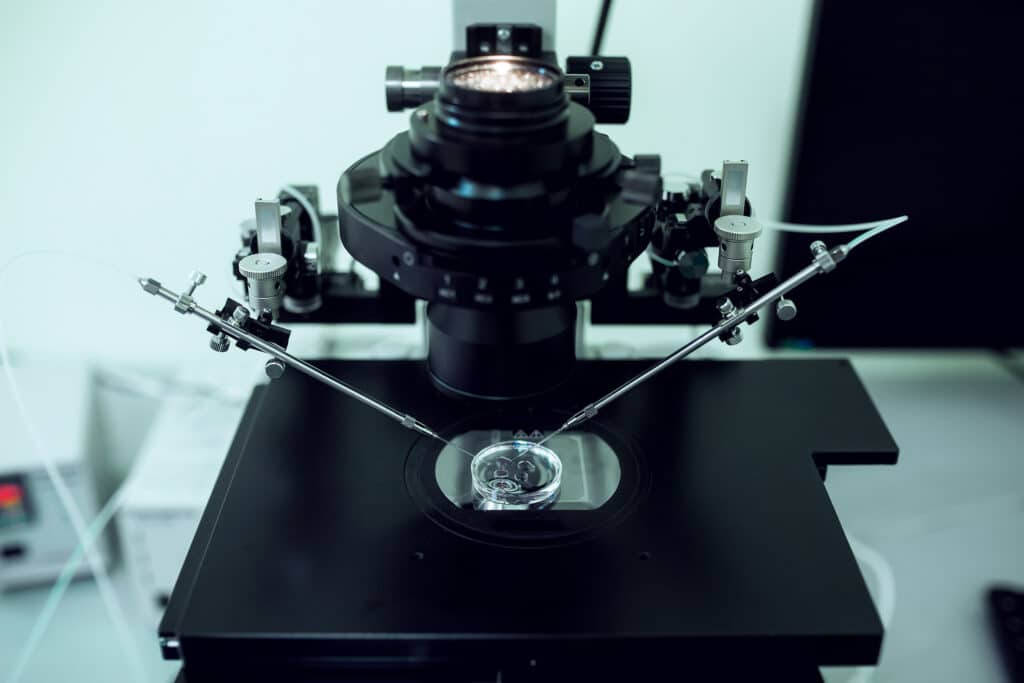
Robots Boost IVF Precision and Success
Robots Boost IVF Precision and Success
“Starting a family may involve robots in the near future.”
This article describes how AI-powered robots are being introduced into IVF labs to help with delicate steps like sperm selection, egg prep and embryo culture. Early trials suggest this could improve pregnancy rates and reduce the number of cycles needed, with one pilot study already resulting in healthy births.
Experts say the technology supports embryologists rather than replaces them by helping standardise to lab quality and cut human error. Wider rollout is expected from 2026.
Why it caught our attention:
As we experienced ourselves, IVF success can depend heavily on which clinic you’re treated in. If robotics can deliver more consistent, reliable outcomes, and fewer failed cycles, it could make IVF treatments fairer and more accessible which is very promising.
Robots Boost IVF Precision and Success

Scientists Create Eggs From Human Skin Cells
Scientists Create Eggs From Human Skin Cells
“Scientists have used human skin cells to create fertilizable eggs capable of producing early embryos.”
Researchers at Oregon Health & Science University successfully turned ordinary skin cells into functioning egg cells, which could be fertilised in the lab. It’s the first time human eggs with a donor’s DNA have been created this way — a possible future option for people who can’t produce eggs.
The science is still very early: fewer than 9% of eggs developed to the blastocyst stage, and all embryos were chromosomally abnormal. Experts say clinical use is likely at least a decade away.
Why it caught our attention:
This concept seems mind blowing to us. It gives us a look into the future of IVF. It opens the door to many opportunities and a world where new eggs could be created for people with none of their own — including women with ovarian failure, cancer survivors, and potentially same-sex male couples.
Scientists Create Eggs From Human Skin Cells
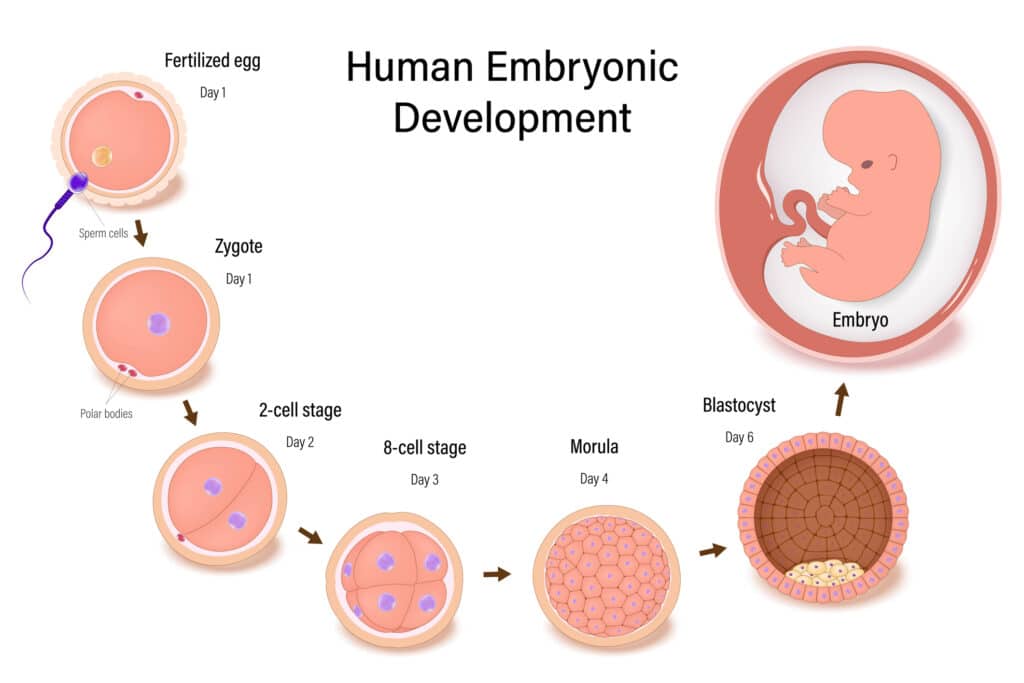
Paracetamol Exposure Can Disrupt Human Embryo Development, Study Finds
Paracetamol Exposure Can Disrupt Human Embryo Development, Study Finds
“A new study has shown that exposure to paracetamol (acetaminophen) may disrupt human embryo development at very early stages.”
Researchers observed developmental changes that could have implications for reproductive health and medication safety. While the findings are preliminary, they raise important questions about how commonly used drugs might influence early human development.
Why it caught our attention:
This one really surprised us! Most of us think of paracetamol as a safe, everyday medicine — especially when we just want to ease pain or discomfort. We have both used paracetamol in connection with egg retrievals and during our cycles without too much consideration.
But this study is a reminder of how delicate those first stages of life can be, and why we need more research into the medications many of us take without a second thought. For anyone on an IVF journey, it sparks big questions about how even small factors could play a role in outcomes.
Paracetamol Exposure Can Disrupt Human Embryo Development, Study Finds
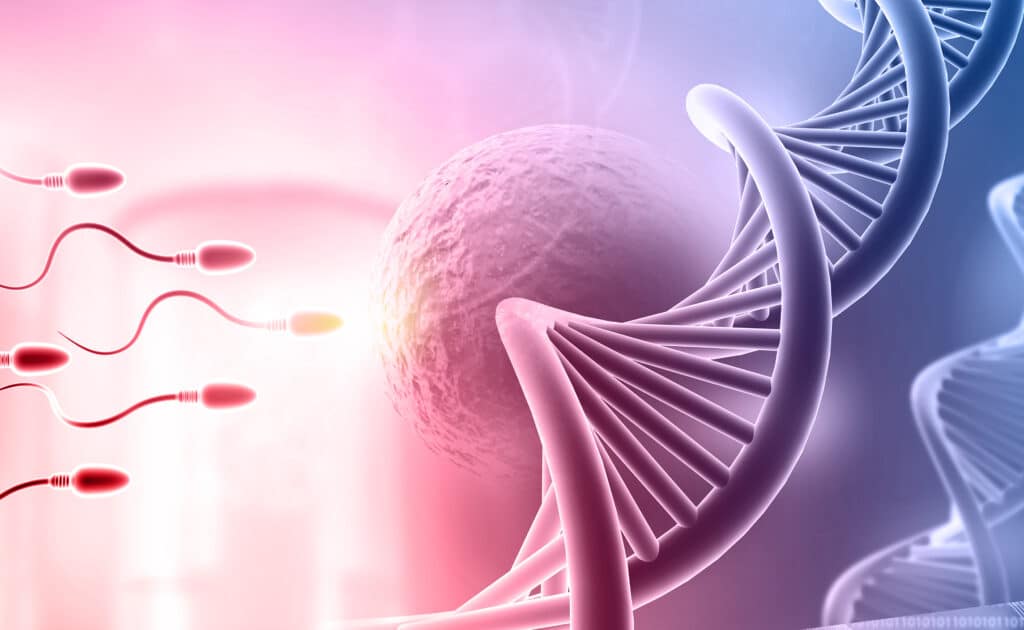
Babies Born Using Three People’s DNA — Without Hereditary Disease
Babies Born Using Three People’s DNA — Without Hereditary Disease
“The aim is to avoid babies inheriting devastating mitochondrial diseases.”
For the first time, eight babies have been born in the UK using mitochondrial donation, a pioneering IVF technique that combines DNA from three people: the mother (nuclear DNA), a donor (healthy mitochondria), and the father (sperm).
Why it caught our attention:
It’s a powerful example of how IVF is evolving to help families avoid rare but serious inherited conditions. While this procedure is tightly regulated and only offered in select cases, it shows how genetics and IVF science are creating new paths to parenthood.
Babies Born Using Three People’s DNA — Without Hereditary Disease

Sperm Racing Takes Over LA – But the Message Is Serious
Sperm Racing Takes Over LA – But the Message Is Serious
“It was funny — and ridiculous — but also deeply needed. Men’s reproductive health rarely gets the spotlight, and this event, strangely, gave it one.”
Yes, an actual sperm race took place in LA — complete with leaderboards, training plans, and cheering fans. What sounds like satire actually opened up space to talk about something we don’t hear often enough: men’s fertility matters too.
Contestants trained by cutting alcohol, exercising, and improving sleep — all of which can meaningfully boost sperm health in just a few months.
Why it caught our attention:
We love that this headline grabbed attention but also highlighted something important: lifestyle changes can improve sperm quality, and they’re often overlooked in the fertility journey.
Sperm Racing Takes Over LA – But the Message Is Serious

The World’s Oldest IVF Baby — From an Embryo Frozen in 1994
The World’s Oldest IVF Baby — From an Embryo Frozen in 1994
“A healthy baby girl has been born in the UK from an embryo frozen more than 30 years ago — thought to be the oldest embryo ever successfully used in IVF.”
This remarkable story highlights the birth of a baby conceived from an embryo frozen back in 1994. Doctors believe it is the longest-frozen embryo to result in a live birth worldwide. While most embryos are used within a few years, this case shows just how resilient — and full of potential — embryos can be, even decades later. It also raises fascinating questions about the future of embryo preservation and long-term storage.
Why it caught our attention:
Stories like this remind us that IVF is full of surprises and possibilities. For anyone facing the tough reality of failed cycles or thinking about embryo storage, this is proof that embryos can carry hope much longer than many of us realize. It’s a reassuring glimpse into what science, and time, can make possible.
The World’s Oldest IVF Baby — From an Embryo Frozen in 1994

AI Helps Couple Conceive After 18 Years — A First-of-Its-Kind Success
AI Helps Couple Conceive After 18 Years — A First-of-Its-Kind Success
“After trying to conceive for 18 years, one couple is now pregnant with their first child thanks to artificial intelligence.”
CNN reports on a landmark IVF case from Columbia University Fertility Center, where a new AI tool, the STAR method, helped find sperm in a man diagnosed with azoospermia, a condition where no sperm can be detected in a semen sample. The AI scanned millions of images and identified just three viable sperm, which were then used to fertilise eggs, resulting in pregnancy.
The STAR system could become a new option in male-factor infertility, though it’s currently available only at Columbia and still requires validation in wider studies.
Why it caught our attention:
Male infertility makes up nearly half of all cases, yet treatment options for azoospermia are limited and often invasive. A tool that can find viable sperm in such detail could open doors for couples told they have no chance of conceiving with their own sperm.
For us, it’s also a glimpse of how AI is becoming a valuable tool in IVF, how it can work alongside clinicians, not by replacing expertise, but by enhancing it.
AI Helps Couple Conceive After 18 Years — A First-of-Its-Kind Success
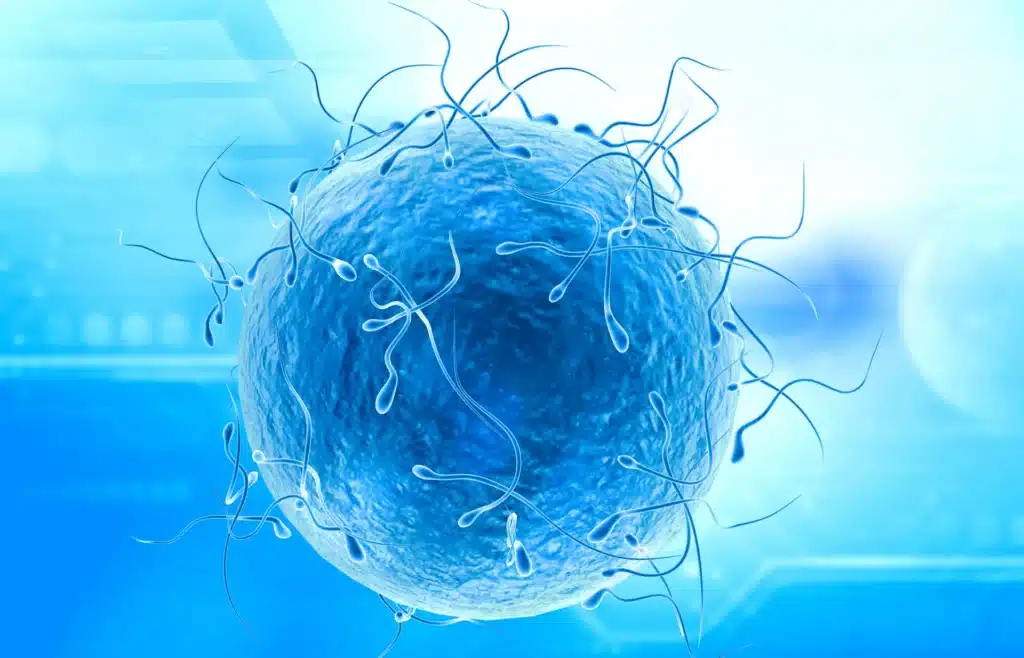
What’s Going On With Sperm? A Deep Dive Into the Decline
What’s Going On With Sperm? A Deep Dive Into the Decline
“Research suggests sperm counts are tumbling globally — and the decline appears to be accelerating.”
This in-depth BBC story explores the big question: why are sperm counts falling around the world? While researchers agree the trend is real, the causes are still being investigated. From environmental toxins and stress to diet, heat exposure, and modern lifestyles, the article explores the many factors that could be affecting male fertility at a population level.
Why it caught our attention:
We believe it’s essential to keep conversations about male fertility in the spotlight because awareness can lead to action. If you’re in the middle of IVF or fertility challenges, this article can help you better understand the bigger picture. And if you’re supporting a partner, it’s a great reminder that male fertility matters too — and it’s not always straightforward.
Curious about how sperm quality affects IVF? We dive deeper in our blog post: Sperm Quality and IVF: Understanding the Role of Male Fertility in IVF Success
What’s Going On With Sperm? A Deep Dive Into the Decline
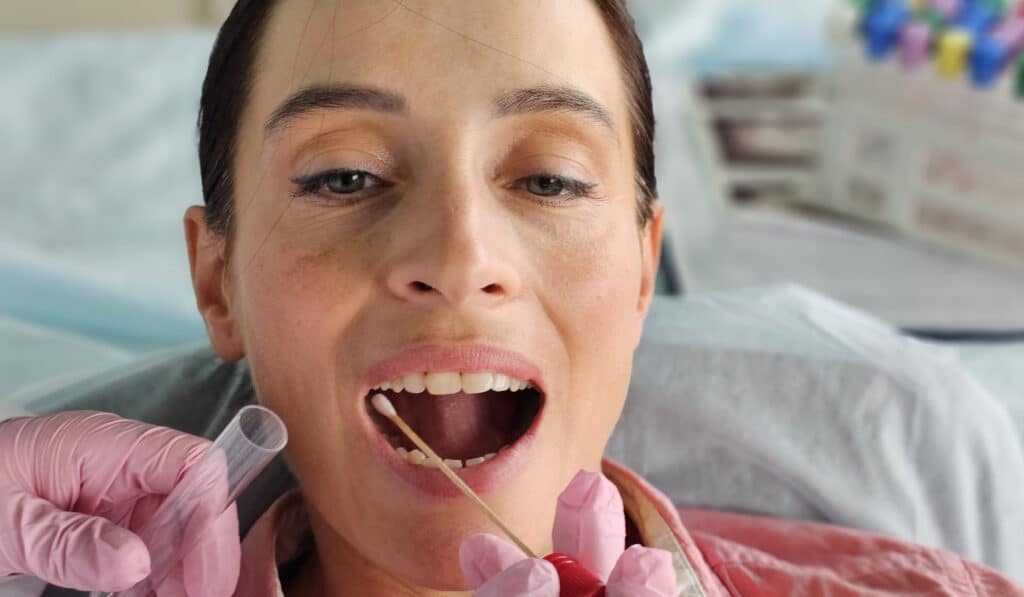
Can a Mouth Swab Boost IVF Success Rates?
Can a Mouth Swab Boost IVF Success Rates?
“Women with a certain gene variant responded significantly better to one type of IVF hormone — and a quick, non-invasive test could identify it before treatment begins.”
This article explores a breakthrough Swedish trial that found a simple mouth swab can identify a woman’s FSH receptor gene variant (FSHR N680S) helping doctors choose the most effective type of hormone (synthetic or biological) for ovarian stimulation. When matched to the right hormone based on DNA, live birth rates jumped from 29% to 40%. The test takes under an hour and could be in clinics by 2026.
Why it caught our attention:
If you’ve ever wondered whether standard IVF protocols truly suit everyone — this is your proof that they don’t. As we explore in the blog post IVF Stimulation Protocols Explained there are many options at IVF clinics today. This groundbreaking and accessible test could spare people unnecessary side effects, cost, and time by making their first cycle more effective.
It’s the kind of quiet revolution we love to see.
Can a Mouth Swab Boost IVF Success Rates?
Note From Us
We share these stories to highlight how fertility research, science, and conversations are evolving around the world. Nothing here is intended as medical advice — just articles and updates that caught our attention, made us think, or reminded us that there’s always more being learned.
If something resonates with you, talk to your clinic or a fertility specialist to see what’s right for you.
Want to stay in the loop?
We share updates when new blog posts, tools, news, and recipes are live — no pressure, no spam. Just IVF support from people who understand.