During our IVF journeys, we kept hearing the same message over and over again: as you age, your egg quality declines – and there’s nothing you can do about it. The familiar tick-tock of the biological clock was always there, quietly (and sometimes not so quietly) fuelling anxiety.
But as we went down our usual research rabbit holes, searching for anything that might help, we came across something that felt both unexpected and hopeful: Red Light Therapy, also known as Low Level Laser Therapy (LLLT).
What we discovered surprised us. Emerging research suggests that LLLT may help improve egg quality, support mitochondrial function, slow cellular ageing, balance hormones, and even boost fertility, for both women and men.
The fertility benefits of LLLT were discovered by accident back in 1995, when a 55-year-old woman undergoing laser treatment for back pain unexpectedly resumed her menstrual cycle. Since then, research has continued to build, showing promising outcomes, even in cases of long-standing or severe infertility.
In our own journeys, we both decided to try LLLT. At that point, after multiple failed cycles and hormonal challenges, we were drawn to LLLT because it felt different: low-risk, affordable, and supportive rather than aggressive. We also learned that LLLT was quietly being used in some clinics, supported by a growing body of clinical evidence – it just isn’t widely talked about.
This post shares what we learned, what the research shows, and what you might expect if you choose to explore it too.
How LLLT Works
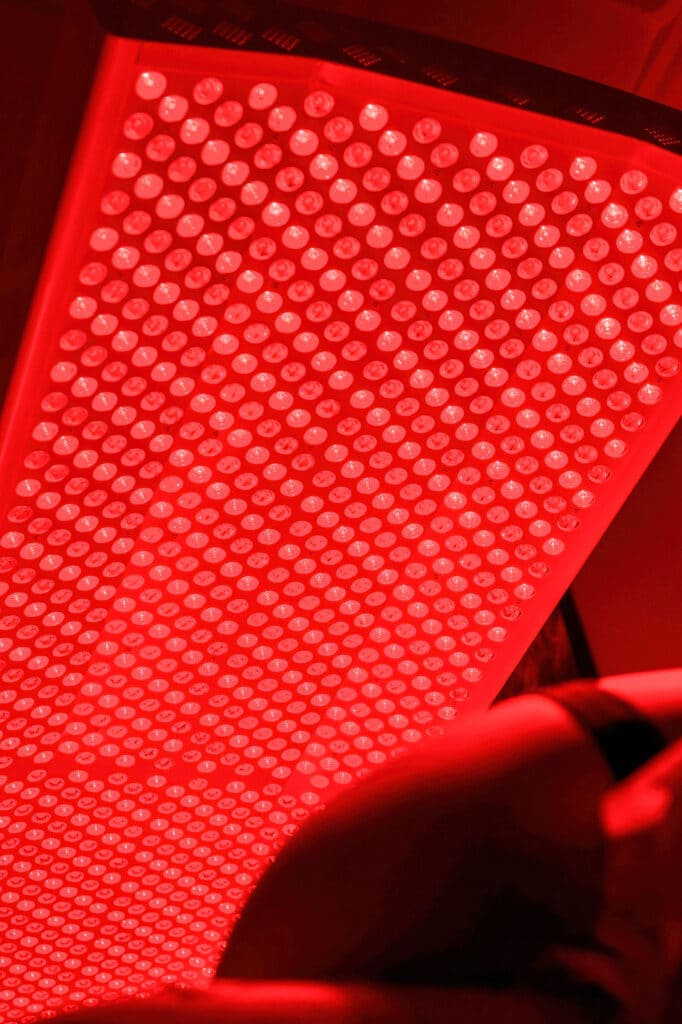
LLLT works by stimulating the cells in your body, cells that contain mitochondria. LLLT increases the cellular energy production in the mitochondria, enhancing vital processes like egg maturation and implantation. When light from the laser enters your body, it energises your cells – similar to charging a battery. For your reproductive health, that energy boost can make a significant difference: with more energy available, cells are able to repair themselves, function better, and communicate more effectively.
In terms of fertility, this energy boost may support:
- Egg maturation
- Hormonal signalling
- Uterine receptivity and implantation
- Overall cellular health
When you consider how energy-dependent egg and sperm quality are, that support can make a significant difference.
There is growing clinical research supporting LLLT’s potential to improve fertility outcomes. For us, two key studies in particular highlight its promise.
Key fertility studies on LLLT:
2012 Japanese Study
In this long-term study, 701 women with infertility (including repeated IVF failures), received 830 nm LLLT. Over 22% became pregnant – with 79 going on to deliver healthy babies. A pretty extraordinary result.
2024 Clinical Trial
In this newer study, 30 women with multiple failed IVF cycles received LLLT in the cycle prior to embryo transfer. The pregnancy rate jumped to 46.7% in the laser-treated group, compared to 33.3% in the control group. While not statistically definitive due to small size, the LLLT group showed higher pregnancy rates than controls.
This study also suggests LLLT may help improve implantation success.
Who Might Benefit Most from LLLT?
LLLT may be especially helpful if you:
- Have a history of poor egg quality
- Experience irregular or absent cycles
- Struggle with hormonal imbalance
- Have had recurrent implantation failure
- Feel disconnected from your cycle or ovulation signals
What This Can Look Like in Real Life
After years of IVF cycles and hormonal imbalances, Ali stumbled upon LLLT during one of her deep research dives. Her cycles had long been irregular, ovulation unpredictable, and no tracking method had ever helped –only added stress.
She began treatment at a clinic using the Gigalaser, following a protocol inspired by 2012 Japanese research. To her surprise, her cycles soon became regular and ovulation clearly detectable –for the first time in years. For once, she felt in sync with her body.
Encouraged, Ali continued at home with an 830 nm red light device, while her partner used a 635 nm version. It became a calming daily ritual, not just another fertility task.
Nine months later, she had a successful FET (frozen embryo transfer). While no therapy works in isolation, Ali is certain LLLT played a key role in that success.
How and When to Use LLLT in Your Fertility Journey
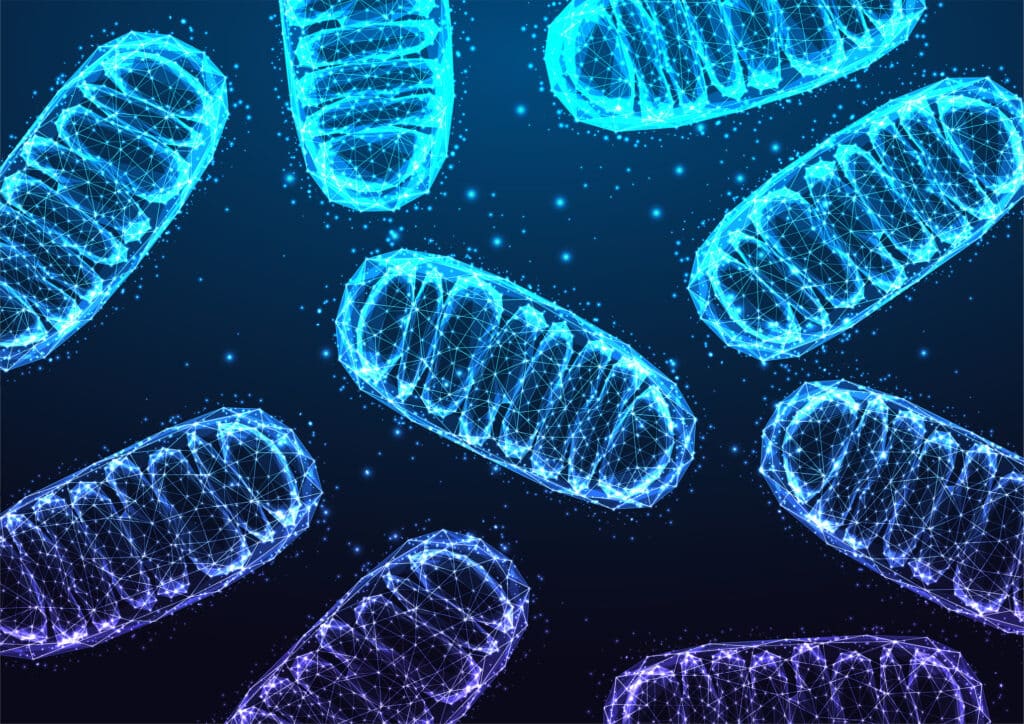
LLLT is typically used 2–3 times per week in the months leading up to IVF or natural conception.
Clinical protocols usually involve:
- 830 nm wavelength for female fertility
- Sessions lasting 15–20 minutes
- Light applied to the lower abdomen or pelvic area.
How Long Untill You See Results?
Because egg and sperm development take around 90 days, it’s ideal to start LLLT treatments at least three months before trying to conceive or beginning an IVF cycle.
Many notice changes sooner, more regular cycles, improved cervical mucus, clearer ovulation – but the biggest benefits tend to come with consistent, longer-term use.
You can think of LLLT as a long-term fertility support tool.
LLLT for Male Fertility
LLLT isn’t just helpful for women. There’s strong evidence supporting its role in male fertility too.
Research shows that LLLT may improve:
- Sperm motility
- Sperm count
- Morphology
- Sperm survival
It may also help reduce inflammation linked to conditions like prostatitis or vesiculitis – both common contributors to male infertility.
Best results are reported with combinations of:
- Red light (635 nm)
- Infrared (904 nm)
- Sometimes ultraviolet (365 nm) under clinical guidance
LLLT’s protective effects can help reduce male inflammation, while also supporting healthy testicular function. There seems to be many benefits and LLLT is now recommended as part of a comprehensive approach to treating male infertility.
Choosing The Right Device
Always choose an LLLT device with the right wavelength.
For women
- 830 nm is ideal for boosting fertility.
For men
- Ideally a combination of red (635 nm), infrared (904 nm), and ultraviolet (365 nm) light.
- A home device with red light (635 nm) will also work well.
How LLLT Compares to Other Fertility Therapies
Compared to acupuncture or supplements, LLLT stands out for its direct impact on cellular energy. While supplements work on a nutritional level and acupuncture supports your hormonal balance through nervous system regulation, LLLT directly boosts your cellular energy.
It’s non-invasive, pain-free, and has no reported side effects in fertility studies, which is part of what makes it so appealing. The cost varies with LLLT; home devices being the most cost-efficient ranging from 150 euros and up, while clinics charge around 75 euros and up per session.
Final Thoughts: Is Red Light Therapy Worth Exploring?
We believe that understanding the different IVF protocols helps you feel more informed, confident, and empowered when it comes to the choices being made about your body – and the reasons behind them.
Whether you’re a high, intermediate or poor responder, your response to treatment is deeply personal, and your protocol should reflect that.
Each IVF protocol has its strengths and trade-offs and it’s not uncommon to try more than one strategy over time. What may feel like trial and error is often how progress is made in the world of IVF. If the main four protocols are not achieving good results, then don’t be afraid to look further to the more specialised and emerging protocols.
At the heart of it all is your clinic and doctor, taking the time to understand your body. And by working closely with your fertility team (sharing your history, asking questions, and staying involved) you help shape a protocol that supports your body and your goals.
If you’re just beginning or considering a new cycle, take this guide as a tool for discussion with your doctor. You’re not just a patient; you’re a key partner in this process.
Your body. Your journey. Your protocol. And with the right information, you’re already one step closer.
Research and Evidence Behind LLLT for Fertility and IVF
The information in this blog post is supported by peer-reviewed studies and scientific research. If you’d like to learn more or explore the details, feel free to check out the sources below.
1. Ohshiro, T. (2012). Personal overview of the application of LLLT in severely infertile Japanese females. Laser Therapy, 21(2), 97–103. Retrieved from https://pmc.ncbi.nlm.nih.gov/articles/PMC11266823/
2. Moskvin, S. V., & Apolikhin, O. I. (2018). Effectiveness of low level laser therapy for treating male infertility. BioMedicine, 8(2), 7. PMC5992952. Retrieved from https://pmc.ncbi.nlm.nih.gov/articles/PMC5992952/3.
3. Jafarabadi, M., Farbod, Y., & Shariat, M. (2024). Low-level laser therapy for improvement of in vitro fertilization outcomes in patients with recurrent implantation failure: A randomized clinical trial. Journal of Lasers in Medical Sciences, 15, e15. Retrieved from https://pubmed.ncbi.nlm.nih.gov/39051002/
4. Takasaki, A., et al. (2010). [Title in Japanese]. ISLSM, 21(2). Retrieved from https://www.jstage.jst.go.jp/article/islsm/21/2/21_12-OR-05/_pdf